


Best Solo Travel Tips for Pakistan To Have a Memorable Journey
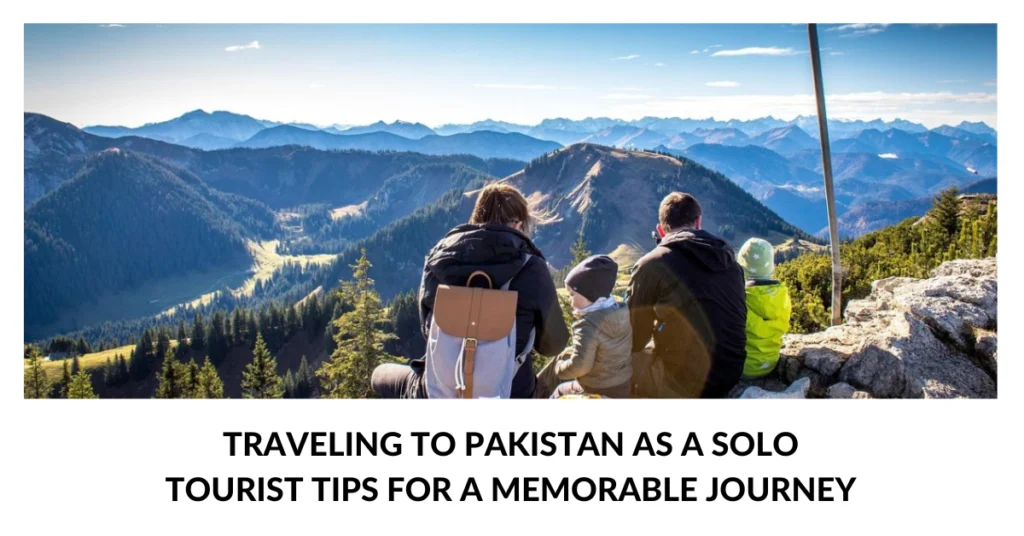
Introduction Traveling solo to Pakistan can be an incredibly rewarding experience, but it’s important to plan ahead. There are many myths about solo travel in Pakistan, but with the right preparation, you can have a safe and unforgettable journey. In this guide, we’ll cover solo travel tips for Pakistan to help you explore this beautiful country with confidence. Choosing Safe and Welcoming Destinations When traveling alone, it’s important to pick destinations that are welcoming and safe. Pakistan offers many solo-friendly places where you can enjoy stunning landscapes and rich culture: These destinations are not only safe but also known for their welcoming communities, making them perfect for first-time solo travelers in Pakistan. Transportation Tips Getting around Pakistan as a solo traveler can be an exciting adventure, but it’s essential to choose reliable modes of transport: Research local transportation options before your trip to ensure your journey is smooth and hassle-free. Cultural Sensitivity and Etiquette Understanding local culture and etiquette is key to ensuring a positive experience when interacting with locals in Pakistan: By showing respect for local traditions, you’ll build connections and make your travels even more enjoyable. Staying Connected Staying connected with family and friends is important for safety and comfort. Here’s how to stay connected while traveling solo in Pakistan: Being connected will give you peace of mind and help you stay informed throughout your journey. Safety Precautions While Pakistan is generally safe for solo travelers, it’s essential to take precautions: Travel Insurance: Always purchase comprehensive travel insurance to cover unexpected incidents such as medical emergencies or trip cancellations. Avoid Remote Areas at Night: Avoid traveling to remote areas after dark, especially if you’re unfamiliar with the place. Emergency Contacts: Keep emergency numbers like local police or medical services readily accessible. Always inform someone close to you about your travel plans and destinations. By taking these safety measures, you can enjoy your trip without worries. Conclusion Solo travel in Pakistan offers incredible experiences, from exploring majestic valleys to connecting with warm-hearted locals. With the right preparation and awareness, you can explore this beautiful country safely and confidently. If you’re looking for a hassle-free journey, Mammoth Tours can assist you in planning and organizing your solo trip, ensuring you make the most of every moment. FAQ Is Pakistan safe for solo travelers? Yes, Pakistan is safe for solo travelers, especially in popular tourist destinations like Hunza, Skardu, and Neelum Valley. Be sure to follow safety tips and stay connected with loved ones. What are the best solo travel tips for Pakistan? Focus on choosing safe destinations, understanding local customs, and using reliable transportation. It’s also important to stay connected with local SIM cards and emergency contacts. What should I pack for a solo trip to Pakistan? Embalagem leve, roupas confortáveis, um banco de energia, um kit de primeiros socorros e quaisquer medicamentos necessários. Don’t forget your passport, travel insurance, and a local SIM card for connectivity. 4. How can I ensure my safety while traveling alone in Pakistan? Follow basic safety precautions such as avoiding remote areas at night, keeping emergency contacts handy, and purchasing travel insurance.
Essential Packing List for a Group Tour to Kashmir
Planning a group tour to Kashmir, often called “Heaven on Earth“, is an exciting adventure. From the snow-capped mountains of Gulmarg to the tranquil Dal Lake in Srinagar, Kashmir’s diverse landscapes and activities offer something for everyone. However, the key to enjoying your trip lies in being well-prepared, especially when traveling in a group. A well-thought-out packing list ensures you’re ready for Kashmir’s changing weather, challenging terrains, and group dynamics. Here’s a comprehensive guide to help you making a packing list smartly for your group tour to Kashmir. Clothing Essentials Kashmir’s weather can vary dramatically depending on the season and altitude, so dressing in layers is critical. Winter Packing List (November to February) Summer Packing List (March to August) Footwear Tips Gear and Accessories Having the right gear can make a world of difference on your Kashmir trip. Backpacks and Bags Travel Accessories Group-Specific Items Traveling in a group calls for shared items that can enhance convenience and enjoyment. Communication Tools Shared First-Aid Kit Include essentials such as: Camping Equipment If camping is part of your plan: Documents and Money Travel Documents Cash and Payment Options Pro Tip: Secure your valuables in waterproof pouches during treks or boat rides. Fun and Comfort Items Adding entertainment and comfort to your packing list ensures the group has an enjoyable experience. Entertainment for the Group Comfort Items Packing Tips for a Group Tour Conclusion Making a Packing list for a group tour to Kashmir and then Really packing it and managing it doesn’t have to be stressful if you plan smartly. Focus on weather-appropriate clothing, essential gear, and group-specific items to ensure a hassle-free and enjoyable trip. Remember, a well-packed bag is the key to making the most of Kashmir’s natural beauty and group adventures. Ready to explore the stunning landscapes of Kashmir? Check out our specially curated group tour packages for an unforgettable experience!
How to Plan Your First Trip to Northern Pakistan
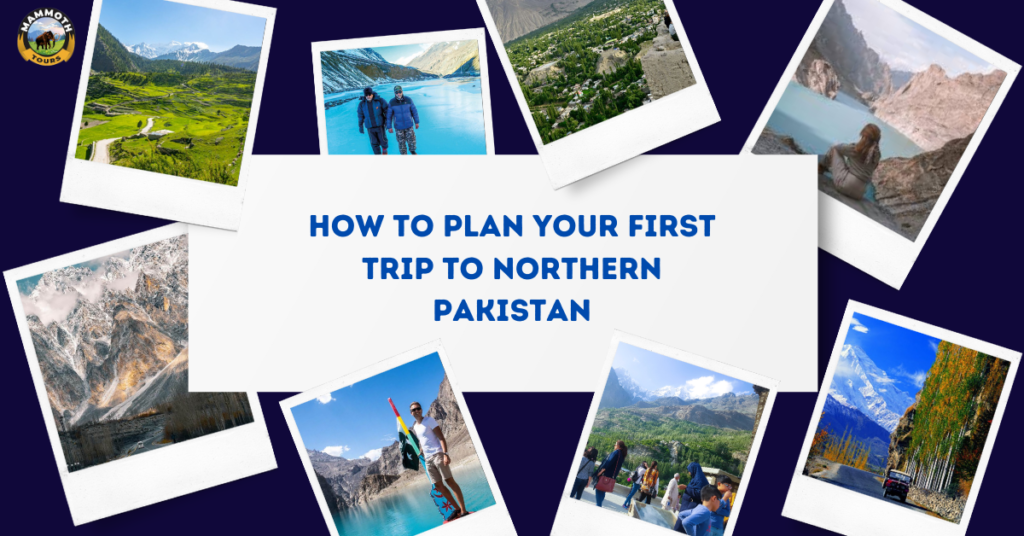
Exploring Northern Pakistan is an adventure like no other, offering breathtaking landscapes, rich culture, and unforgettable experiences. For first-time travelers, the excitement of visiting this region is unparalleled, but it can also feel overwhelming to plan such a trip. From the towering peaks of the Karakoram Range to serene valleys like Hunza and Swat, Northern Pakistan promises wonders that captivate every kind of traveler. If you’re ready to embark on this journey, our guide to plan your first trip to Northern Pakistan will help you navigate the process with ease and confidence. Research and Preparation Proper research and preparation are the foundation of any successful trip, especially for a region as diverse as Northern Pakistan. Understanding the Region Northern Pakistan encompasses several valleys and mountainous regions, each with its own climate, culture, and attractions. Familiarize yourself with the main areas, such as Gilgit-Baltistan and Khyber Pakhtunkhwa. Weather and Seasons Pro Tip: Always check weather conditions before planning, as certain areas may be inaccessible during harsh winters. Choosing Destinations For first-time Northern Pakistan visitors, it’s best to start with beginner-friendly locations that showcase the region’s beauty without being too challenging to navigate. Hunza Valley: A Cultural Paradise Known as Pakistan’s crown jewel, Hunza is a must-visit destination for first-timers. Check out our detailed blog on “10 Reasons Why Hunza Valley is Pakistan’s Must-Visit Destination” to learn more. Skardu Valley: Gateway to the Karakoram Skardu is the perfect destination for adventure seekers and those captivated by serene landscapes. Explore further details in our blog “Exploring Skardu Valley: Top 5 Attractions You Can’t Miss.” Swat Valley: Switzerland of the East Swat Valley’s lush greenery, rivers, and cultural sites make it a favorite for travelers. For more, read “Swat Valley Travel Guide: Everything You Need to Know.” Budget Planning Transportation Costs Whether you’re hiring a private vehicle or taking public transport, costs can vary widely depending on your travel style. Look for Group Tours for cost-effective options. Accommodation Types From luxury resorts to budget guesthouses, Northern Pakistan caters to all travelers. In Hunza, opt for valley-view hotels, while Skardu offers charming boutique lodges. Food Expenses Food in Northern Pakistan is both delicious and affordable. Enjoy local delicacies like chapli kebabs and trout fish at roadside eateries or high-end restaurants. Pro Tip: Keep some cash handy, as digital payment options may not always be available. Transportation Tips Getting around Northern Pakistan can be an adventure in itself, so choose the transportation option that best fits your needs. Private Vehicle Ideal for families and groups, hiring a private vehicle allows flexibility in exploring the region at your own pace. Public Transport For solo travelers or budget-conscious visitors, buses and vans are widely available but can be less comfortable on long routes. Group Tours Group tours are an excellent option for first-time visitors, offering guided experiences and hassle-free transportation. Pro Tip: Always confirm your transport arrangements in advance, especially during peak seasons. Safety and Etiquette Traveling in Northern Pakistan is generally safe, but keeping a few tips in mind ensures a smooth experience. Safety Tips Cultural Etiquette Pro Tip: A little effort to learn a few Urdu or local phrases can go a long way in connecting with people. Conclusion: Plan Your First Trip with Confidence Visiting Northern Pakistan for the first time is an exhilarating experience filled with natural wonders, cultural richness, and memorable adventures. Whether you’re trekking through Hunza, skiing in Malam Jabba, or exploring Swat’s cultural heritage, this region offers something unique for everyone. To make your journey seamless, check out our comprehensive travel packages designed for first-time visitors. Click here to explore the best Northern Pakistan tours and start planning your dream trip today!
Best Things to Do in Malam Jabba: The Perfect Winter Getaway
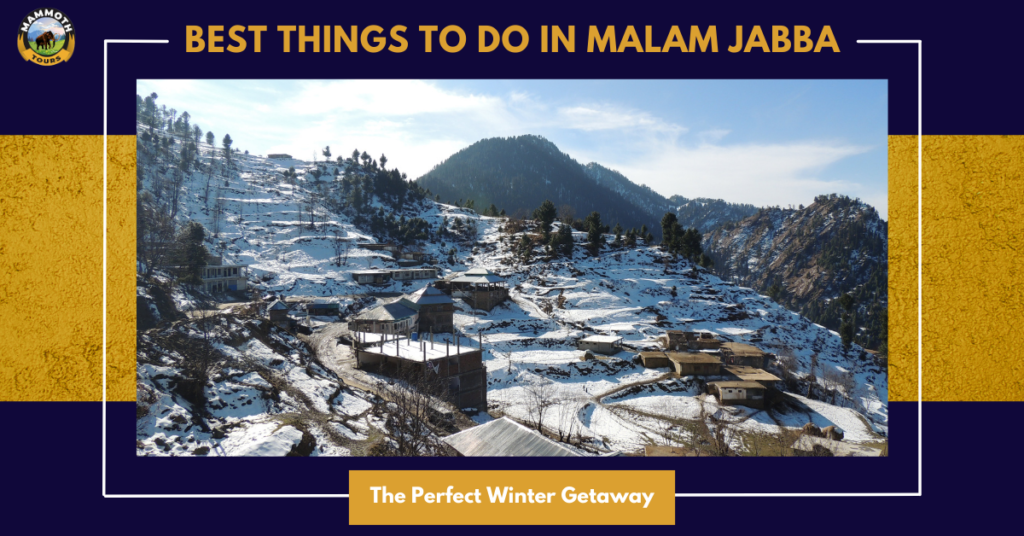
Malam Jabba, nestled in the scenic Swat Valley of Pakistan, is a winter wonderland that transforms into the ultimate getaway for thrill-seekers and serenity lovers alike. Renowned as Pakistan’s premier winter sports destination, Malam Jabba boasts pristine snow-covered slopes, stunning landscapes, and a variety of exhilarating activities. Whether you’re a fan of skiing, trekking, or simply savoring delicious winter cuisine, this magical destination has something for everyone. If you’re planning your next winter holiday, our guide to Malam Jabba winter activities will help you make the most of your visit to this snowy paradise. Top Activities to Enjoy in Malam Jabba Malam Jabba offers a variety of activities that cater to adventure enthusiasts and casual travelers alike. Here’s a closer look at the best experiences this winter haven has to offer: 1. Skiing and Snowboarding Malam Jabba is synonymous with skiing and snowboarding, making it a must-visit for winter sports enthusiasts. Its well-maintained slopes cater to both beginners and advanced skiers, while the breathtaking views of the surrounding snow-clad mountains enhance the experience. Why Choose Malam Jabba for Skiing? Pro Tip: Visit between December and February for the best skiing conditions. 2. Chair Lift and Zip Line Adventures For those seeking an adrenaline rush, the chair lift and zip line at Malam Jabba are not to be missed. Chair Lift Ride Zip Line Thrills Pro Tip: Early morning rides offer the best views, with clear skies and golden sunlight. 3. Trekking and Hiking in the Snow Malam Jabba isn’t just about skiing; its snowy trails make it a haven for trekking and hiking enthusiasts. Popular Winter Trails What to Expect Pro Tip: Wear sturdy, insulated boots and carry trekking poles for better grip on icy trails. 4. Visiting Nearby Swat Attractions Malam Jabba’s proximity to other stunning locations in Swat Valley makes it a perfect base for exploring the region. Mingora and Saidu Sharif Fiza Ghat Park Pro Tip: Allocate a day for nearby excursions to make the most of your trip. 5. Enjoying Local Winter Cuisine No trip to Malam Jabba is complete without indulging in the region’s delightful winter dishes. Must-Try Dishes Pro Tip: Visit local dhabas for authentic flavors and warm hospitality. Best Time to Visit Malam Jabba The ideal time to visit Malam Jabba for winter activities is between December and February. This period offers the heaviest snowfall, making it perfect for skiing and other snow-based activities. However, early winter (November) and late winter (March) are also great for those seeking milder weather and fewer crowds. What to Pack for a Winter Trip to Malam Jabba Packing the right gear is essential for a comfortable trip to Malam Jabba. Here’s a quick checklist: Conclusion: Discover the Magic of Malam Jabba This Winter From thrilling skiing adventures to serene snow-covered trails, Malam Jabba offers a diverse range of winter activities that cater to all types of travelers. Its breathtaking landscapes, combined with exciting attractions like the chair lift, zip line, and local cuisine, make it an unforgettable winter destination. Ready to embark on your snowy adventure? Explore our Malam Jabba tour packages to plan your perfect winter getaway with ease. Let us help you create memories that last a lifetime!
Swat Valley Travel Guide: Everything You Need to Know
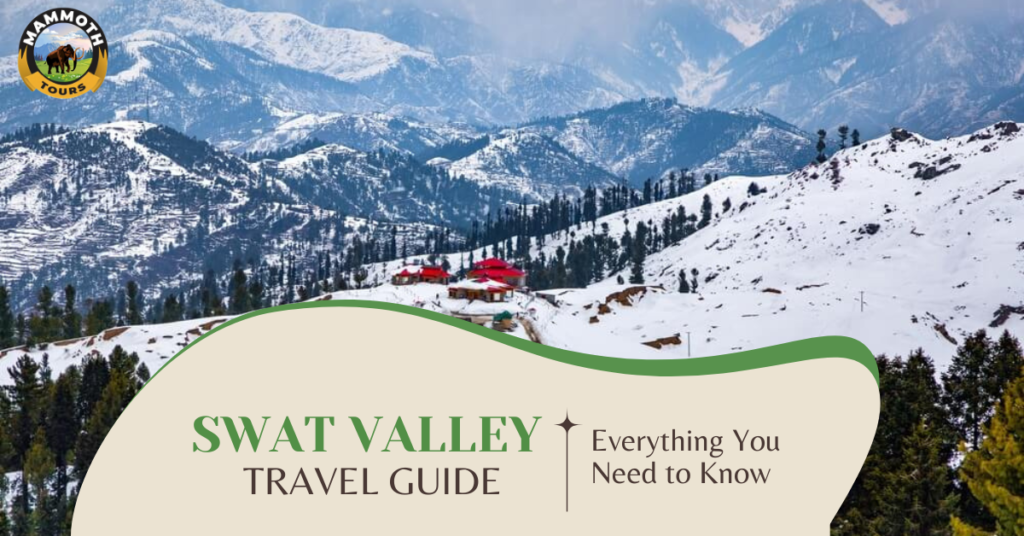
Swat Valley, often referred to as the “Switzerland of the East,” is a mesmerizing destination in northern Pakistan. Famous for its lush green valleys, sparkling rivers, snow-capped peaks, and rich cultural history, Swat has long been a favorite among travelers. Once a hub of Buddhism and now a symbol of natural beauty and tranquility, Swat offers something for everyone, from adventure seekers to history enthusiasts. This Swat Valley travel guide will walk you through the top attractions, best times to visit, travel tips, local cuisine, and must-see cultural heritage sites, ensuring your trip is both memorable and seamless. A Glimpse into Swat Valley’s History Swat Valley boasts a rich history dating back thousands of years. It was a significant center for Buddhist learning, with ancient stupas and monasteries scattered across the region. Alexander the Great is also said to have passed through this valley during his campaigns. Today, Swat is a symbol of resilience, beauty, and cultural heritage, earning its reputation as Pakistan’s crown jewel. Top Attractions in Swat Valley No trip to Swat is complete without exploring its top attractions, each offering a unique experience: 1. Malam Jabba: Pakistan’s Premier Ski Resort Malam Jabba is a must-visit for adventure enthusiasts and families alike. Known for its pristine snow and thrilling slopes, it is Pakistan’s premier ski resort. Activities and Highlights Travel Tips for Malam Jabba 2. Mingora: The Heart of Swat Mingora, the largest city in Swat Valley, serves as its cultural and economic hub. It’s the ideal starting point for your Swat adventure. What to Explore in Mingora Travel Tips for Mingora 3. Kalam Valley: A Paradise of Serenity Nestled deep within Swat, Kalam Valley is a haven for nature lovers. Its untouched beauty, with lush forests, crystal-clear streams, and towering mountains, is unparalleled. Must-Visit Spots in Kalam Valley Travel Tips for Kalam Valley Best Times to Visit Swat Valley Swat Valley offers unique experiences in every season: Travel Tips for Swat Valley Transportation Options Safety Tips Budget-Friendly Tips Local Cuisine and Accommodation Options Must-Try Swati Dishes Accommodation Choices Cultural Heritage Sites in Swat Valley Swat Valley’s cultural heritage is as captivating as its natural beauty: Butkara Stupa A significant Buddhist site, Butkara Stupa is a testament to Swat’s ancient history as a religious and educational center. Udegram Buddhist Monastery Nestled in the hills, this monastery offers a glimpse into Swat’s rich Buddhist past and serves as a peaceful retreat for history buffs. Travel Tips for Heritage Sites FAQs About Swat Valley Conclusion: Plan Your Dream Trip to Swat Valley Swat Valley is a treasure trove of natural beauty, cultural heritage, and thrilling adventures. Whether you’re skiing down the slopes of Malam Jabba, exploring the ancient Butkara Stupa, or marveling at the serene waters of Mahodand Lake, Swat offers unforgettable experiences for every traveler. Ready to explore Swat Valley? Check out our tour packages for tailored itineraries and seamless travel experiences. With Mammoth Tours, your dream adventure awaits!
Discover the Magic of Neelum Valley: A Traveler’s Dream
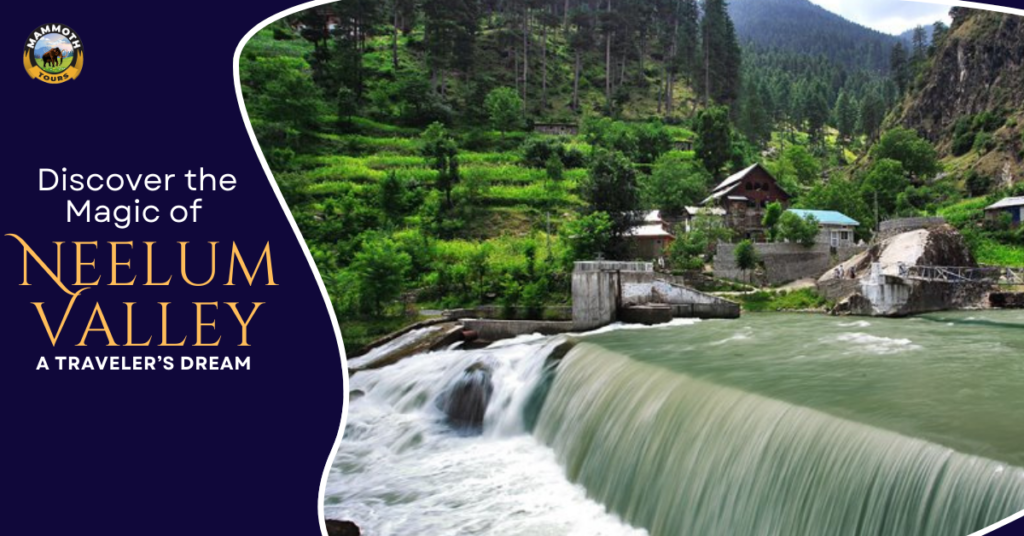
Neelum Valley, often referred to as “Heaven on Earth”, is a breathtaking stretch of land nestled in the Azad Jammu and Kashmir region of Pakistan. Known for its lush green valleys, sparkling rivers, snow-capped peaks, and serene beauty, it’s a haven for nature lovers and adventurers alike. This Neelum Valley travel guide will take you through its top attractions, practical travel tips, and everything you need to plan the perfect trip to this magical destination. Why Visit Neelum Valley? Neelum Valley stands out for its unparalleled beauty and rich cultural heritage. From the mesmerizing Ratti Gali Lake to the ancient ruins of Sharda University, every corner of this valley offers a unique blend of natural splendor and historical intrigue. Whether you’re seeking peace, adventure, or cultural exploration, Neelum Valley has something special for everyone. Top Attractions in Neelum Valley Let’s dive into the must-visit spots in Neelum Valley that make it a traveler’s dream: 1. Ratti Gali Lake: A Jewel in the Mountains Hidden amidst towering peaks, Ratti Gali Lake is a glacial wonder that leaves visitors spellbound. Its crystal-clear waters reflect the surrounding snow-covered mountains, creating a picture-perfect scene. Why Visit Ratti Gali Lake? Travel Tips for Ratti Gali Lake 2. Sharda University Ruins: A Peek into History Sharda University is an archaeological gem that showcases the region’s rich historical and cultural heritage. These ancient ruins are believed to be part of one of the oldest universities in South Asia, dating back to the Buddhist era. What to Explore in Sharda Travel Tips for Sharda 3. Keran and Upper Neelum: Twin Villages of Serenity The twin villages of Keran and Upper Neelum are known for their tranquil beauty and riverside charm. Located along the Neelum River, these villages are perfect for relaxing and soaking in the valley’s serene vibe. Why Visit Keran and Upper Neelum? Travel Tips for Keran and Upper Neelum 4. Arang Kel: The Hidden Village Perched high above the valley, Arang Kel is a small village often described as a “piece of heaven.” Its lush meadows, wooden houses, and peaceful ambiance make it an idyllic escape. What Makes Arang Kel Special? Travel Tips for Arang Kel 5. Halmat and Taobat: The End of the Valley Located at the far end of Neelum Valley, Halmat and Taobat are remote villages that offer raw, untouched beauty. The journey to these villages is an adventure in itself, with winding roads and breathtaking landscapes. What to Expect in Halmat and Taobat Travel Tips for Halmat and Taobat Practical Travel Tips for Neelum Valley Planning a trip to Neelum Valley? Here are some tips to make your journey smooth and enjoyable: Transportation Accommodation Travel Tips for Pakistani Visitors Best Time to Visit Conclusion – Plan Your Dream Trip to Neelum Valley Neelum Valley is more than just a travel destination; it’s a journey into nature’s wonders and cultural richness. From the glacial beauty of Ratti Gali Lake to the historical intrigue of Sharda University, every moment spent here is unforgettable. Ready to explore the magic of Neelum Valley? Check out our tailored tour packages to find the perfect adventure for you. With Mammoth Tours, your dream journey is just a click away!
Exploring Skardu Valley: Top 5 Attractions You Can’t Miss
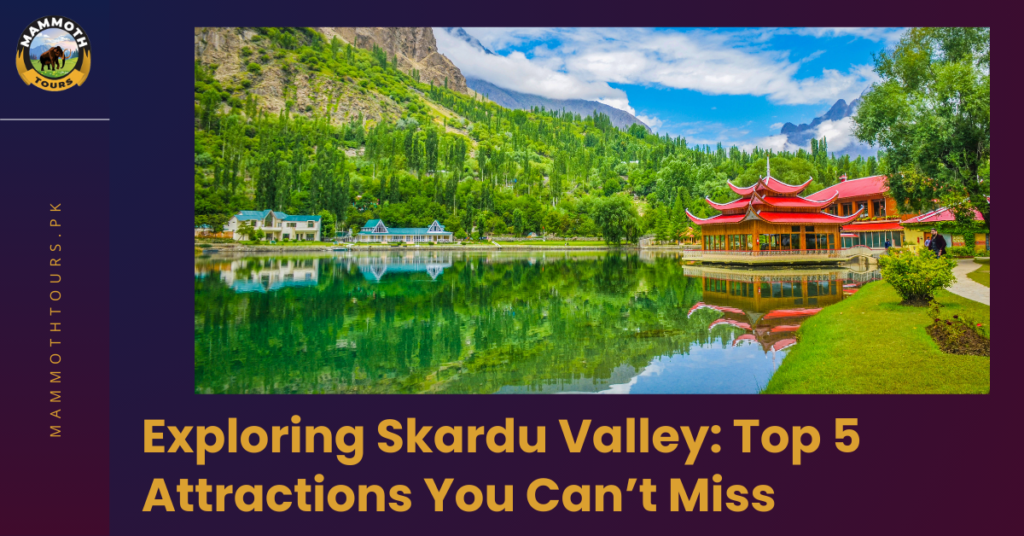
Skardu Valley is a treasure trove of natural beauty and cultural heritage, often referred to as the “Gateway to the Karakoram.” Known for its pristine landscapes, historical landmarks, and adventure opportunities, Skardu Valley captivates every traveler’s heart. Whether you’re a nature lover, a thrill-seeker, or someone eager to explore history, Skardu Valley’s top attractions will leave you spellbound. Here are the 5 must-visit attractions in Skardu Valley that should be on your travel bucket list. 1. Shangrila Resort: Heaven on Earth Nestled near the Lower Kachura Lake, Shangrila Resort is a picturesque retreat that truly lives up to its name, “Heaven on Earth.” Its unique red-roofed cottages and lush gardens offer a perfect escape for travelers seeking peace and tranquility. The Origin of Shangrila Resort The resort was established in the early 1950s and named after the fictional paradise in James Hilton’s novel Lost Horizon. Its serene ambiance has made it a favorite for honeymooners and families alike. What Makes Shangrila Unique? Travel Tips for Shangrila Resort Skardu Valley 2. Satpara Lake: Pristine Waters Satpara Lake is a stunning glacial lake located just 9 kilometers from Skardu Valley. Its turquoise waters, surrounded by rugged mountains, make it one of the most photographed spots in the region. The Mystique of Satpara Legends say the lake holds hidden treasures beneath its surface, adding an element of mystery to its beauty. Things to Do at Satpara Lake Best Time to Visit Satpara The lake is most accessible from May to September when the weather is pleasant and the roads are clear. 3. Deosai National Park: Plains of Giants Known as the “Land of Giants,” Deosai National Park is a high-altitude plateau that stretches as far as the eye can see. It’s one of the world’s highest plateaus and a UNESCO World Heritage Site. Wildlife in Deosai The park is a haven for wildlife enthusiasts, home to rare species like the Himalayan brown bear, snow leopards, and golden marmots. What to See in Deosai Tips for Exploring Deosai Carry warm clothing, as temperatures can drop unexpectedly. Visit between June and August to experience the park in its full glory. 4. Shigar Fort: Historic Landmark Shigar Fort, also known as the “Fort on Rock,” is a beautifully restored 17th-century fort that offers a glimpse into Skardu Valley’s rich history and culture. The Architecture of Shigar Fort The fort is an exquisite blend of Tibetan and Balti architectural styles, showcasing intricate wood carvings and traditional construction techniques. What to Do at Shigar Fort Nearby Attractions Blind Lake: A short drive from the fort, this hidden gem offers serene views and a peaceful atmosphere. 5. Kachura Lakes: Upper and Lower Serenity The Kachura Lakes are a pair of breathtaking water bodies that offer contrasting yet equally enchanting experiences. While Lower Kachura (Shangrila Lake) is developed and tourist-friendly, Upper Kachura is untouched and raw. Lower Kachura Lake (Shangrila Lake) Known for its easy accessibility and facilities, Shangrila Lake is a popular spot for families and honeymooners. Upper Kachura Lake Adventure seekers will love the rugged beauty of Upper Kachura, surrounded by dense pine forests and dramatic mountain peaks. Activities at Kachura Lakes Best Times to Visit Spring, and Summer are ideal for exploring the lakes, but autumn offers stunning foliage for those who prefer quieter visits. Your Skardu Adventure Awaits Skardu Valley is a dream destination for anyone looking to experience the best of nature, culture, and history. From the serenity of Shangrila Resort and Satpara Lake to the wild beauty of Deosai National Park and the historical charm of Shigar Fort, Skardu offers endless opportunities for exploration. Ready to start your adventure? Check out our Skardu Valley tour packages to find the perfect trip for you. With Mammoth Tours, every journey is crafted to create unforgettable memories.
10 Reasons Why Hunza Valley is Pakistan’s Must-Visit Destination
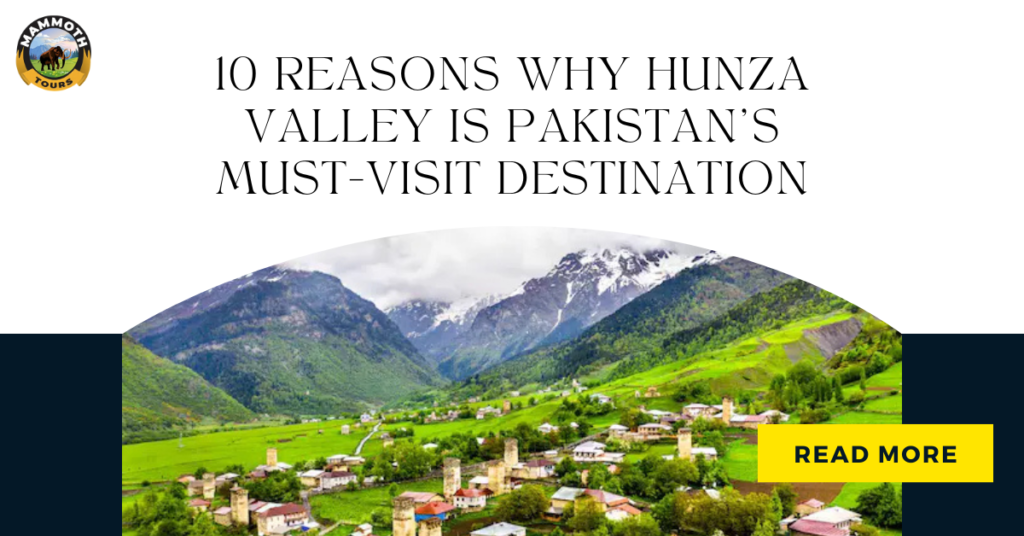
Nestled in the heart of the Gilgit-Baltistan region, Hunza Valley stands as one of Pakistan’s most enchanting and untouched destinations. With its awe-inspiring landscapes, rich cultural heritage, and history dating back centuries, Hunza is the perfect spot for those seeking adventure, serenity, and a chance to immerse themselves in nature’s finest beauty. Whether you’re an adventure seeker, a history buff, or simply in search of a peaceful retreat, Hunza Valley offers something unique for every traveler. Here’s why Hunza Valley is Pakistan’s must-visit destination, and why it should top your travel list this year! 1. Stunning Scenery That Will Take Your Breath Away Hunza Valley is renowned for its breathtaking landscapes that seem almost too beautiful to be real. From the towering peaks of Rakaposhi and Ultar Sar to the lush green terraces and crystal-clear rivers, the valley’s beauty is unparalleled. The landscape transforms with the seasons—snow-covered peaks in winter, vibrant green fields in summer, and golden leaves in autumn. Whether you are standing at the Attabad Lake or gazing at the panoramic views from Eagle’s Nest, the scenery of Hunza will undoubtedly leave you in awe. 2. Warm Hospitality of Locals What sets Hunza apart from other travel destinations is the warm hospitality of its people. The Hunzukutz (locals) are famous for their kindness, friendliness, and openness. A visit to Hunza isn’t complete without engaging with the locals, who will share stories about their culture, traditions, and way of life. You’ll find yourself welcomed with open arms, whether you’re staying in local guesthouses or enjoying a traditional Hunza meal. It’s the perfect destination to feel at home in a foreign land. 3. Delicious Hunza Cuisine Hunza’s cuisine is a delightful mix of healthy, traditional dishes that are both nourishing and delicious. The region’s unique geographical location and climate have influenced the development of distinct flavors. Try Hunza’s apricot-based dishes, including apricot oil, apricot soup, and fresh apricot jam. Don’t miss out on Chapshuro (a local meat pie) and Hunza bread made from locally sourced whole grains. The cuisine is rich in nutritional value, offering a perfect balance for travelers. 4. Historic Sites like Altit and Baltit Forts Hunza is a land steeped in history, and no visit to the valley would be complete without exploring its historic sites. Two of the most famous are the Altit Fort and Baltit Fort. These centuries-old forts not only showcase the region’s ancient architecture but also offer spectacular views of the valley. The Baltit Fort, in particular, was built 700 years ago and is an architectural marvel that reflects Hunza’s rich cultural heritage. Visiting these forts provides a deep dive into Hunza’s fascinating history. 5. Thrilling Trekking Routes For adventure lovers, Hunza Valley offers some of the most thrilling trekking routes in Pakistan. The Passu Glacier Trek is one of the most popular trekking trails, leading through glaciers, alpine meadows, and pristine valleys. Whether you’re a beginner or an experienced trekker, the various trails in Hunza provide options for all levels. The views of towering peaks like Rakaposhi from the trekking paths make the strenuous hike worth every step. 6. Seasonal Attractions One of the most unique aspects of Hunza Valley is the dramatic change in scenery with each season. Autumn is particularly stunning, as the valley transforms into a golden wonderland. The lush greenery gives way to vivid shades of yellow, orange, and red, especially in places like Gulmit and Karimabad. Each season brings new colors, making Hunza a must-visit destination all year round. The cherry blossom season in spring and the snow-covered peaks in winter are also incredibly picturesque. 7. Eco-Friendly Practices Hunza is one of the few regions in Pakistan that places a high emphasis on eco-friendly practices. The valley has long been known for its sustainable farming practices, and the locals take pride in preserving their environment. Whether it’s the use of solar power in homes or the eco-conscious way of managing resources, Hunza is a great example of how travel and sustainability can go hand-in-hand. The valley is working towards making tourism more eco-friendly, ensuring that future generations can enjoy its beauty as much as we do today. 8. Wildlife and Nature Reserves For nature lovers, Hunza Valley offers an abundance of wildlife and nature reserves. The area is home to many unique species, such as the Markhor (wild goat), snow leopards, and various species of birds. If you’re interested in nature photography or wildlife watching, Hunza is the ideal location. The Khunjerab National Park, which is a part of the region, is home to a wide range of wildlife and offers an immersive experience into Hunza’s diverse natural environment. 9. Accessibility Improvements Thanks to ongoing infrastructure improvements, Hunza Valley has become increasingly accessible for travelers. The Karakoram Highway (KKH) provides a direct route to Hunza, allowing visitors to travel comfortably. In addition, the Hunza Airport is now operational with limited flights, further making it easier for tourists to visit. Whether you’re traveling by road or by air, reaching Hunza has never been easier. 10. Unique Cultural Events Hunza is rich in culture and hosts several unique cultural events throughout the year. One of the most prominent is the Shandur Polo Festival, held in the nearby Shandur Pass, where locals engage in the thrilling sport of polo. The Hunza Festival also showcases local music, dance, and handicrafts, offering travelers a chance to experience Hunza’s vibrant culture up close. Check Out our Socials for more. Conclusion: Hunza Valley is more than just a destination—it’s an experience that combines breathtaking beauty, rich culture, and unforgettable adventures. From its stunning landscapes to its warm hospitality, there are countless reasons why it should top your travel bucket list. Whether you’re an adventure enthusiast, a culture lover, or someone seeking tranquility, Hunza has something unique to offer. Ready to explore the magic of Hunza Valley? Check Out Our Exclusive Hunza Valley Tour Packages Here and Start Planning your Dream Trip Today!
Chitral and Kalash Valley
Unveiling the Enchanting Chitral and Kalash Valley: A Journey into Myth and Majesty Nestled amidst the colossal peaks of the Hindu Kush in Pakistan’s Chitral and Kalash Valley, Chitral district resides a land untouched by time – the Kalash Valleys. This mythical realm, cradled by emerald valleys and snow-capped giants, is home to the Kalasha people, an ancient tribe renowned for their vibrant culture and unwavering spirit. A Tapestry of Tradition The Kalasha people, numbering around 4,000, are a unique ethnic group with a rich heritage. Their language, Kalasha-mondr, is distinct from the surrounding tongues, and their belief system, a fascinating blend of animism and ancient Hinduism, sets them apart. As you delve into the heart of the Kalasha Valleys – three main valleys, Bumburet, Rumbur, and Brun – prepare to be captivated by their distinct way of life. Traditional timber houses adorned with intricate carvings line the valleys, their roofs adorned with a kaleidoscope of wildflowers in spring. Women, dressed in colorful, embroidered shalwar kameez and adorned with heavy jewelry, weave their magic on looms, creating stunning woolen fabrics. Festivals: A Window into the Kalasha Soul The Kalasha Valleys come alive during their vibrant festivals. Witness the frenzy of the three-day Joshi festival in spring, where prayers are offered for a bountiful harvest. Be mesmerized by the rhythmic beats of drums and the graceful twirls of women in their finest attire. During the winter festival of Chawmos, witness animal sacrifices appease the spirits and ensure prosperity. A Landscape of Enthralling Beauty The Kalasha Valleys are not just about cultural immersion; they are a paradise for nature lovers. Towering mountains pierce the azure sky, their slopes carpeted with emerald meadows teeming with wildflowers. The valleys are crisscrossed by crystal-clear streams, perfect for an invigorating dip or a tranquil riverside picnic. For the adventurous soul, challenging treks await. Hike to the glaciers nestled high in the mountains, or embark on a journey to the remote Birir Valley, a hidden gem accessible only by foot. Exploring Chitral: Beyond the Kalasha Valleys While the Kalasha Valleys are the star attraction, Chitral, the encompassing district, offers a treasure trove of experiences. Pay homage at the historic mosque in Chitral town, a masterpiece of Islamic architecture. For a glimpse into the region’s regal past, visit the fairy tale-like Chitral Fort, perched atop a hillock, offering panoramic views of the valleys below. Practicalities: Planning Your Trip The best time to visit the Kalasha Valleys is during the spring and summer months (April to September) when the weather is pleasant, and the valleys are ablaze with wildflowers. However, do remember that due to their remoteness, snowfall can block access during winters. Accommodation options range from comfortable guesthouses in the main towns to homestays in the villages, allowing you to experience Kalasha hospitality firsthand. Be respectful of local customs and traditions, and dress modestly, especially when visiting religious sites. A Journey Like No Other A trip to the Kalash Valleys is an unforgettable adventure. It’s a chance to step back in time, to connect with a vibrant culture, and to be humbled by the breathtaking beauty of the Himalayas. So, pack your bags, embrace the spirit of adventure, and embark on a journey to this mythical land where ancient traditions and breathtaking landscapes come together to create an experience that will stay with you forever.
Kashmir – Neelum Valley
Kashmir – Neelum Valley: A Paradise Carved in the Heart of Azad Kashmir Nestled amidst the majestic Himalayas, the “Kashmir – Neelum Valley” in Azad Kashmir, Pakistan, is a tapestry woven with emerald forests, azure rivers, and snow-capped peaks. Often hailed as the “Pearl of Azad Kashmir,” this valley offers a breathtaking escape for nature enthusiasts, adventure seekers, and anyone yearning for tranquility. Our journey begins in Muzaffarabad, the capital of Azad Kashmir. As we weave our way north, the landscape transforms dramatically. Lush green valleys unfurl, painted with wildflowers in spring and ablaze with autumnal hues. The Neelam River, a ribbon of turquoise, snakes through the valley, its gurgling waters a constant companion. En Route Enchantments: The Valley Unveils its Gems: For the Adventurous Soul: Beyond the Last Stop: Neelum Valley: A Call to Nature The Neelum Valley is more than just a collection of stunning landscapes. It’s a place where time slows down, worries fade away, and the soul finds solace in the embrace of nature. Whether you’re seeking adventure, relaxation, or cultural immersion, the Neelum Valley has something to offer everyone. So, pack your bags, lace up your hiking boots, and embark on a journey to this hidden paradise in the heart of Azad Kashmir. Tips for Travelers: The Neelum Valley awaits, a promise of breathtaking beauty, serenity, and an unforgettable adventure.